The product was not absurdly cheap. The seller had a long history, positive reviews and photographs that looked as if they were taken at home.
The warning signs appeared inside an otherwise ordinary conversation.
Buyer: Is this still available?
Seller: Yes, but several people are asking. I can hold it if you pay today.
Urgency alone does not prove a scam. It changes the buyer’s job from reacting quickly to verifying carefully.
The profile looked reassuring—but answered the wrong question
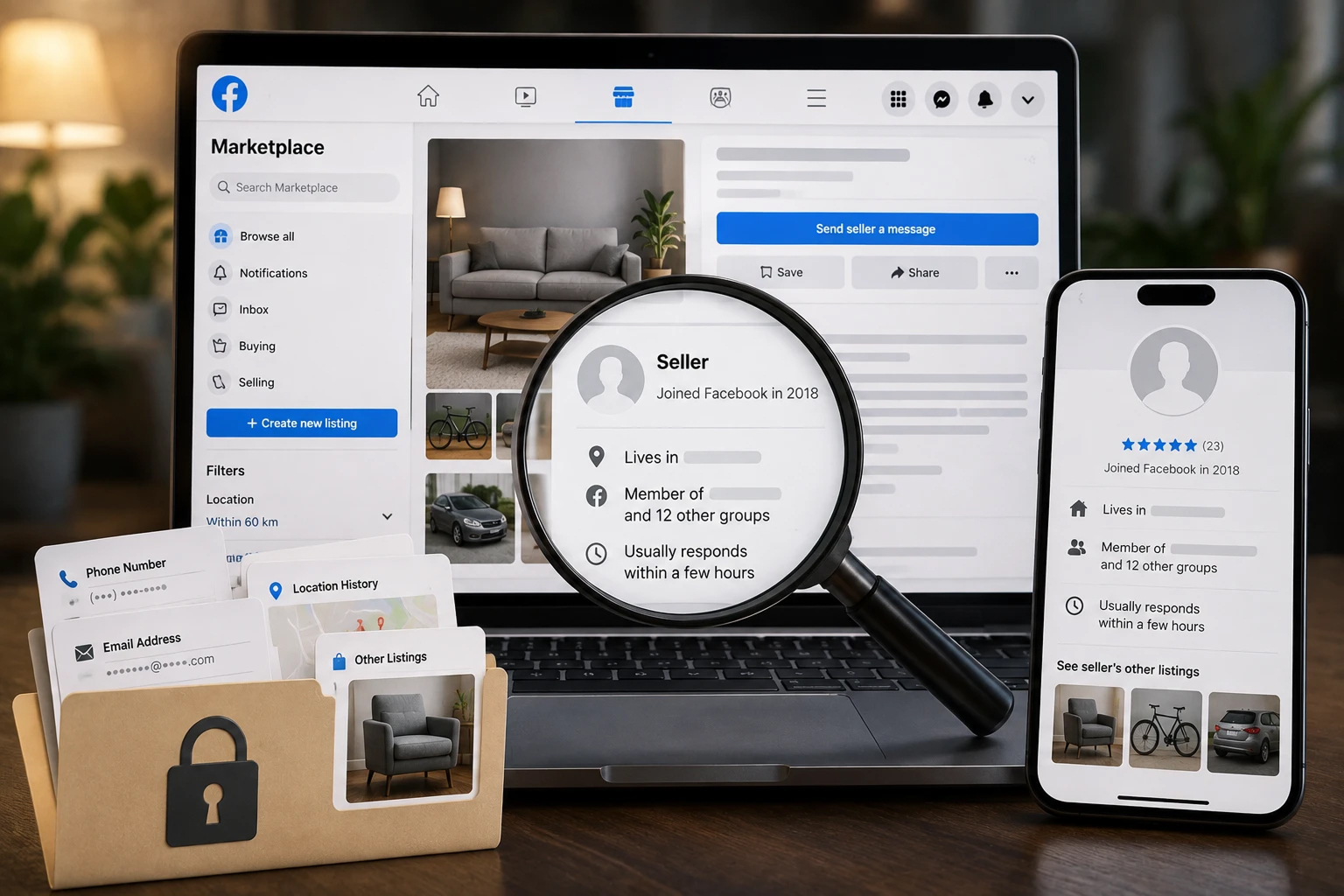
A profile can be old because it was stolen. Reviews can describe earlier transactions, a different product or a completely different owner.
Reviews show that an account completed earlier transactions. They do not prove that the current person controls the account legitimately or owns the current product.
Check whether recent listings match the account’s previous location, language, product type and writing style. A sudden change does not prove fraud, but it deserves another question.
The buyer requested one new photograph
Buyer: Could you send a photo of the item beside a handwritten note with today’s date?
Seller: I’m not home now. The photos in the listing are enough.
The seller claimed the photos were taken that morning. A reverse-image search showed the same pictures on another website.
Ask for a new image with a harmless specific detail, such as the product beside a handwritten date. Do not request sensitive identification documents from a stranger.
Copied photographs are common in fake listings because they make a product appear physically available when it is not.

A simple question produced more pressure
Buyer: I can confirm after I check the details tonight.
Seller: It will be gone by then. Someone else is ready to pay right now.
“Several people are waiting.”
“I can hold it only if you pay now.”
“I’m leaving town in an hour.”
Urgency is designed to replace verification with fear of losing the deal. A legitimate seller may want a quick sale, but a buyer should still have time to understand the item and payment method.
The payment method changed the entire risk
Buyer: I’ll use the marketplace checkout.
Seller: That system is broken. Pay me directly and I’ll reduce the price.
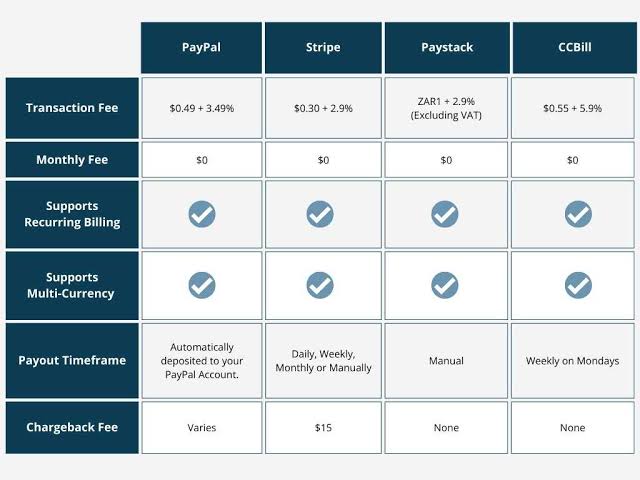
The seller requested cryptocurrency, a wire transfer, a gift card or a payment method with limited recovery options.
They described the marketplace checkout as “broken” and offered a small discount for paying directly.
That discount removes more than a fee. It may remove the platform’s records and buyer-protection process.
Read the conversation as a whole
No single message proves what happened. The pattern matters:
- The seller could not produce a current photograph.
- Ordinary questions triggered immediate pressure.
- Payment had to leave the platform.
- The discount appeared only when buyer protections disappeared.
One unclear answer may have an innocent explanation. Several evasive answers change the risk.
If the exchange happens in person
Meet in a well-lit public place when the product allows it. Some communities provide designated exchange locations near police stations or other monitored areas.
Tell someone where you are going and avoid carrying more cash than required. Inspect the item before paying. For electronics, confirm that the device starts, matches the description and is not locked to another person’s account.
Do not enter an unfamiliar home alone because the seller suddenly changes the meeting place. If the situation feels different from what was agreed, leave.
High-value goods may require extra verification. Serial numbers, proof of purchase and ownership locks can matter, but do not photograph or collect more personal information than needed.
For shipped purchases, record the listing before it disappears. Save the description, stated condition, delivery promise, return policy and messages. When the parcel arrives, photograph visible damage before opening further. These records help distinguish a disagreement about expectations from an item that clearly does not match what was advertised.
If the seller asks you to mark the payment as a personal transfer, pause. That label may remove purchase protections intended for commercial transactions.
If money was already sent
Contact the payment provider immediately and ask whether the transfer can be stopped or disputed. Preserve the listing, messages, profile, receipt and payment details.
Report the account to the marketplace and the relevant fraud-reporting authority in your country.
Do not send an additional “release,” “insurance” or “refund processing” fee. Scammers often request a second payment after the victim realizes the first transaction failed.
The most convincing scams do not look ridiculous. They look ordinary enough to prevent one extra check.
Sources
- Federal Trade Commission, online shopping: https://consumer.ftc.gov/articles/online-shopping
- Federal Trade Commission, avoiding scams: https://consumer.ftc.gov/articles/how-avoid-scam