The charge is small enough to miss and irritating enough to ruin your morning.
You cancelled. You remember doing it. Yet the same company appears on the next statement.
Set a timer for 15 minutes. The aim is to identify whether you cancelled the correct account, completed the full process and retained enough evidence to challenge the payment.
Minute 0–3: identify the exact merchant
Start with the statement—not your memory.
Write down:
- Merchant name exactly as displayed
- Charge date
- Amount
- Card or payment method
- Transaction or reference number
The billing name may differ from the brand name. Search the unfamiliar descriptor together with the word “billing” before assuming the charge is fraudulent.
Minute 3–5: check every email address
Many repeated charges come from a second account.
Search each email inbox for the company name and terms such as:
- Welcome
- Receipt
- Renewal
- Trial
- Subscription
- Cancellation
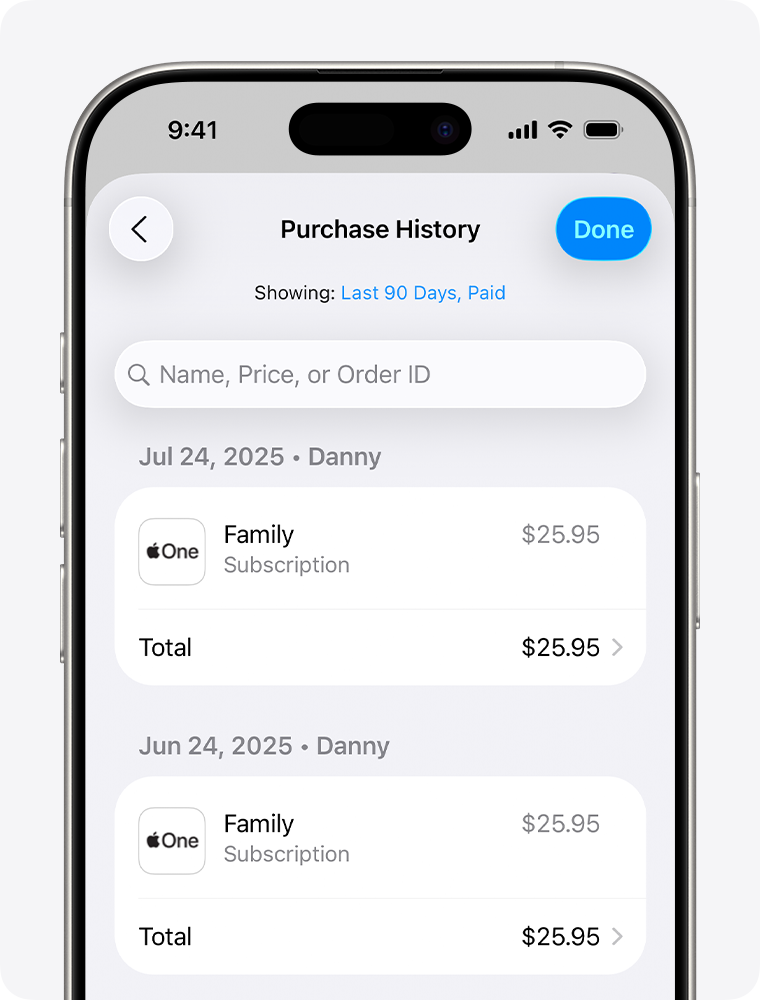
Also check whether you subscribed through Apple, Google, PayPal or another platform. Cancelling inside the company’s website may not end a subscription managed elsewhere.
Minute 5–8: inspect the cancellation evidence
A screenshot of the first cancellation screen may not prove completion.
Look for:
- A confirmation email
- The effective cancellation date
- A confirmation number
- Language showing whether access continues until the billing period ends
- Any requirement to return a product or complete another step
Save the evidence in one folder. Include the current charge and earlier messages.
Minute 8–11: contact support in writing
Use a message that is short enough to process quickly:
I cancelled subscription account [email/account ID] on [date]. Confirmation number: [number]. A new charge of [amount] appeared on [date]. Please refund the post-cancellation charge, confirm that recurring billing is disabled and send written confirmation.
Avoid sending a long emotional history. Attach only the evidence needed to verify the claim.
Minute 11–13: secure the account
Change the password if you do not recognize recent activity. Remove saved payment methods when possible and check whether additional subscriptions appear inside the account.
Do not click a renewal link from an unexpected email. Open the company’s known website or app directly.
Minute 13–15: decide whether to dispute
If the company refuses to stop a charge you did not authorize, contact the card issuer or payment provider and ask about its dispute process.
Be accurate. A billing dispute is not a shortcut for avoiding a valid contract or a charge you knowingly approved.
The four most common failure points
| Failure | What it looks like | Fix |
|---|---|---|
| Wrong account | Cancellation exists, but another email is charged | Find the account tied to the statement |
| Incomplete cancellation | No final confirmation | Repeat the process and save proof |
| Platform billing | Company account is closed but app-store subscription remains | Cancel through the billing platform |
| Post-cancellation charge | Confirmation predates the new bill | Request refund and consider a dispute |
Prevent the next surprise
Before starting a trial, record the renewal date, price after promotion and cancellation method. Set two reminders: several days before renewal and one day after cancellation to verify the account.
Build a subscription inventory once
Search recent bank, card, PayPal, Apple and Google statements for repeating merchants. Put active subscriptions into one list with:
- Account email
- Billing platform
- Monthly or annual price
- Renewal date
- Cancellation link or method
- Whether anyone still uses it
Do not cancel everything automatically. Annual services, cloud storage and family plans may be valuable. The aim is to remove forgotten duplication and make the next renewal predictable.
Repeat the audit every three months and whenever a card is replaced. A new card number does not always end merchant billing arrangements, so verify each subscription directly.
A subscription should not become a monthly detective story. Fifteen organized minutes can produce the evidence that repeated clicking and arguing often cannot.
Sources
- Federal Trade Commission, free trials and auto-renewals: https://consumer.ftc.gov/articles/getting-and-out-free-trials-auto-renewals-and-negative-option-subscriptions
- Federal Trade Commission, unwanted subscription charges: https://consumer.ftc.gov/consumer-alerts/2023/06/were-you-charged-amazon-prime-without-your-permission
Dispute rights and deadlines vary by country, card and payment method.