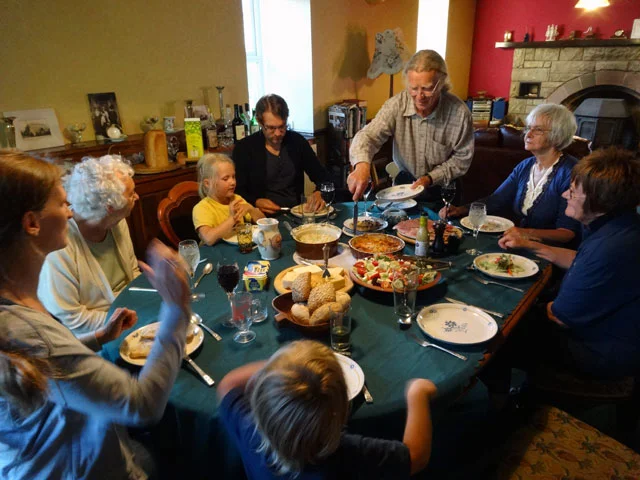
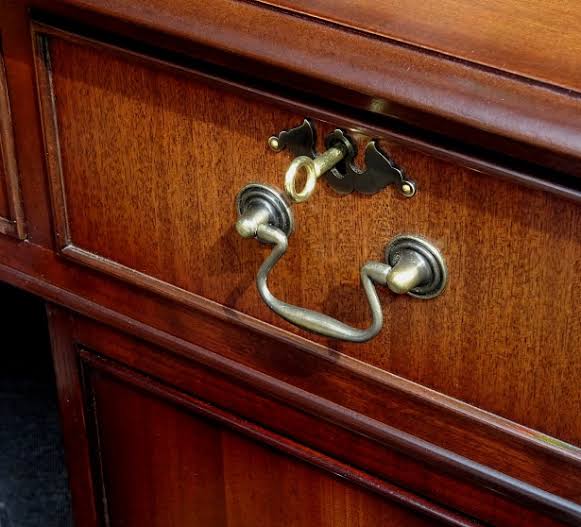
The key was wrapped in a plastic sandwich bag.
It was hidden beneath a loose porch board at our mother’s house.
I found it while clearing dead leaves.
At first, I thought Mom had left it there before she died.
Then I noticed the bright metal.
The key was new.
It did not fit the front door.
It did not fit the back door.
It did not fit the garage.
My brother, Aaron, wanted to sell the house immediately.
My sister, Beth, wanted to keep it untouched for a year.
I wanted an appraisal and a written plan.
For six weeks, we had agreed on only one thing.
Nobody would use the property without telling the others.
Yet someone had hidden a new key.
That evening, I noticed food in the refrigerator.

Fresh milk.
Eggs.
A container of restaurant leftovers.
The electricity bill was also higher than the month before.
I called my siblings.
Aaron said he had not been there.
Beth said the same.
Both sounded offended that I asked.
The next morning, a blue car was parked behind the garage.
Inside the house, I heard the shower running.
I stepped outside and called Aaron.
“Are you sure you haven’t given anyone access?”
“Of course I’m sure.”
Then a man I had never seen opened the back door wearing a towel.
“Can I help you?” he asked.
“This is my mother’s house.”
His face changed.
“Beth said it was hers.”
Useful to know
After inheriting property, first confirm who has legal authority and how title is held. Secure the home, document its condition and keep records of taxes, insurance and utilities. Possessing a key does not necessarily mean someone can rent, sell or alter the property.
The man’s name was Kyle.
Beth had rented him the house for $900 a month.
In cash.
She told him the official lease would come later because the estate paperwork was delayed.
He had been living there for three weeks.
The new key opened the side door.
“I paid first month and a deposit,” Kyle said.
He showed me messages from Beth.
She referred to the property as “my inherited home.”
I called her again.
This time, she answered.
“You had no right to go inside,” she said.
“Neither did your tenant.”
“He’s helping with expenses.”
“Where is the money?”
Silence.
“Beth?”
“I used some for repairs.”
There were no repairs.
The estate account showed no deposits.
By afternoon, Aaron was shouting about calling the police.
Kyle was frightened he would be thrown out immediately.
Beth accused us of caring more about money than Mom’s wishes.
Mom’s will divided the estate equally.
It did not make Beth a secret landlord.
We met with the attorney handling the estate.
He told us not to improvise.
Kyle’s occupancy had to be handled according to local law.
The rent and deposit had to be accounted for.
The property’s insurance status needed review.
And no sibling could make new agreements alone.
At our meeting, Beth cried.
She said she was afraid Aaron would force a quick sale.
She wanted to prove the house could generate income.
“Then why hide it?” I asked.
“Because you would have said no.”
“That is what shared ownership means. Sometimes you do not get to decide alone.”
Kyle eventually signed a temporary agreement through the estate while we chose a longer plan.
The rent he had already paid was documented.
Beth returned the part she had spent.
Then we obtained an independent appraisal.
Useful to know
When co-owners disagree, compare the real options in writing: sell, buy out another owner, rent jointly or hold temporarily. Include valuation, expenses, management and an exit plan. Local estate, tax, landlord and co-ownership rules can overlap, so professional advice is often worth it.
Aaron still wanted to sell.
Beth wanted to keep the house.
I proposed a deadline.
Beth had 60 days to qualify for financing and buy out our shares at the appraised value.
If she could not, we would list it.
For the first time, her wish had numbers and a date attached.
She could not obtain financing.
We sold the house four months later.
Kyle moved with proper notice and received his deposit.
After costs, the proceeds were divided equally.
Beth barely spoke to us at closing.
But before leaving, she placed the new key on the table.
“I thought keeping the house meant keeping Mom,” she said.
I understood.
That did not make the secret rental acceptable.
Grief explained the choice.
It did not erase its consequences.
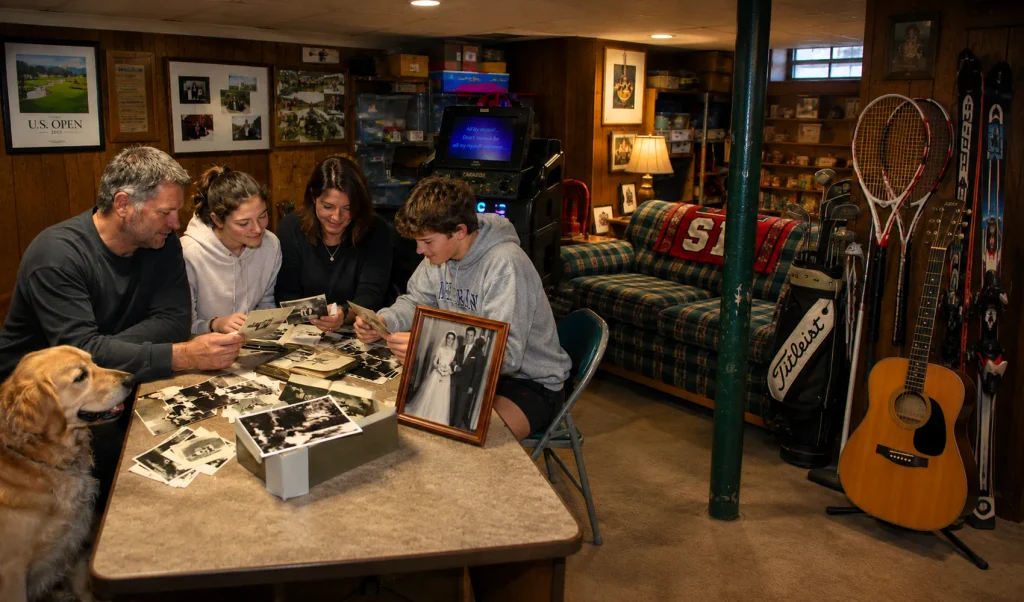
I still have Mom’s recipe book and the chipped bowl she used every Sunday.
Beth has the porch swing.
Aaron kept Dad’s old tools.
The house belonged to someone else now.
But our memories no longer came with taxes, hidden keys and three different versions of ownership.
Next story: Beth secretly used a shared house to solve her own fear. In the next story, one mother discovered her adult son was using monthly “rent emergencies” to pay for something he never expected her to see.