A relative receives a spare key “for emergencies.” A cleaner gets a temporary code. A former housemate keeps a garage remote and everyone assumes somebody else collected it.
Nothing has to be stolen for this to be a problem. Not knowing who can enter your home is the problem.
Set a timer for ten minutes and complete this audit with every adult resident.
Minute 1–3: count every form of access
Do not count only metal keys. Include:
- Front and back door keys
- Building fobs
- Garage remotes
- Alarm codes
- Smart-lock users
- Lockbox combinations
- Hidden exterior keys
Do not label a spare key with the complete address.
Minute 4–5: identify the holder
Write one name beside every item or code.
If nobody knows where a key is, treat it as unaccounted for—not safely returned.
Ask whether the person could have copied it and whether the reason for access still exists.
Minute 6: decide what the access permits
An emergency key does not automatically permit unannounced visits.
Choose the rule:
- Emergency entry only
- Call before entering
- Entry for a defined task, such as pet care
- Temporary access until a specific date
Every adult resident should know and accept the rule.
Minute 7–8: decide what must change
Keep the access
Use this option when the purpose remains valid and everyone understands the limits.
Revoke the access
Collect the key, delete the code or remove the smart-lock user when the purpose has ended.
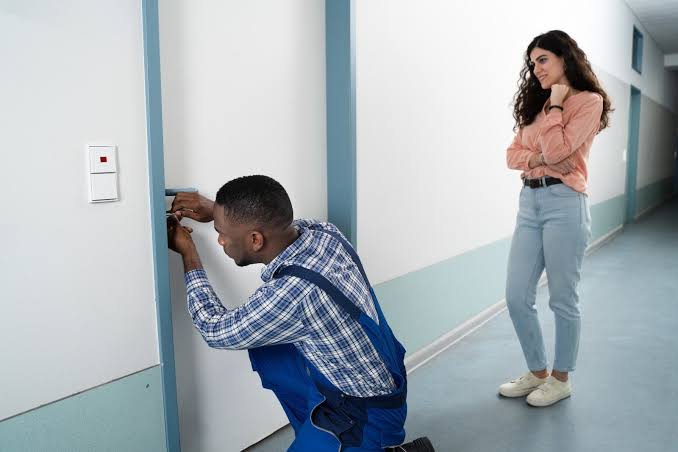
Rekey or replace the lock
Consider this when a key is lost, may have been copied, belongs to a former resident or was repeatedly used outside the agreed rules.
Renters should check the lease and local requirements before changing locks.
Minute 9: review digital security
Change reused passwords, remove old users and enable multifactor authentication. Temporary smart-lock codes are easier to revoke than sharing one permanent code with everyone.
Minute 10: agree on one household rule
For example:
“No permanent key or access code is shared unless all adult residents know who receives it, why and for how long.”
Apply the rule equally to both families. Otherwise, a security conversation quickly turns into an argument about loyalty.
If something is already missing
Check whether it was moved or borrowed. Record when it was last seen, preserve receipts or serial numbers and ask household members calmly.
Do not secretly search someone’s possessions or publish accusations. If you reasonably suspect theft, follow the appropriate local reporting process.
A spare key is not a symbol of love or trust. It is a practical permission to enter someone’s private space. Treat it with the same clarity as any other security decision.
Sources
- National Crime Prevention Council, home safety: https://www.ncpc.org/resources/home-neighborhood-safety/
- Federal Trade Commission, securing home networks: https://consumer.ftc.gov/articles/how-secure-your-home-wi-fi-network
- USA.gov, reporting crime: https://www.usa.gov/report-crime
Property, tenancy and surveillance rules vary by jurisdiction.