
When Melissa asked for $1,200, she was crying so hard I could barely understand her.
Her car needed an emergency repair.
Without it, she could not get to work.
Without work, she would lose her apartment.
“I’ll pay you back after my next two checks,” she promised.
I transferred the money before we ended the call.
Four weeks passed.
Then six.
When I asked about the first payment, she sent a single sentence.
I didn’t know family came with interest.
I reminded her that I had never asked for interest.
She did not reply.
But she posted photographs from a weekend spa trip.
The caption read, “You can’t pour from an empty cup.”
Apparently, my bank account was the cup.
At Christmas, she arrived wearing new boots and hugged me as though the debt did not exist.
When I quietly mentioned it in the kitchen, her face hardened.
“Do we have to ruin every family event with money?”
I looked toward the living room.
Everyone was laughing.
So I said no.
That was exactly what she expected.

Useful to know
When lending money to someone you know, confirm the amount, date and repayment plan in writing. Save transfer records. If the plan changes, write down the new dates instead of relying on “when things improve.”
Over the next four months, Melissa gave me seven different explanations.
Her employer had delayed payroll.
Her rent increased.
Her dog needed tests.
Her banking app was locked.
Her card had expired.
Her roommate owed her money.
She had already sent a payment, and I must have missed it.
That last excuse made me check every statement twice.
There was no payment.
I sent her a simple proposal: $100 each month, beginning on the first.
She replied with a voice message.
“You are obsessed. It’s honestly uncomfortable.”
Then she called my aunt.
By evening, three relatives had told me Melissa was struggling and I should be patient.
Nobody asked whether I was struggling.
I worked at a dental office.
My washing machine had stopped spinning.
I was taking my clothes to a laundromat because replacing it would use the money Melissa still owed me.
But she had told the family I was financially comfortable.
I never said that.
I had simply been quiet.
Then her birthday invitation arrived.
The dinner was at an expensive rooftop restaurant.
The invitation included a gift list.
At the top was a gold bracelet costing $240.
I almost declined.
Instead, I prepared a gift.
I bought a small velvet bracelet box.
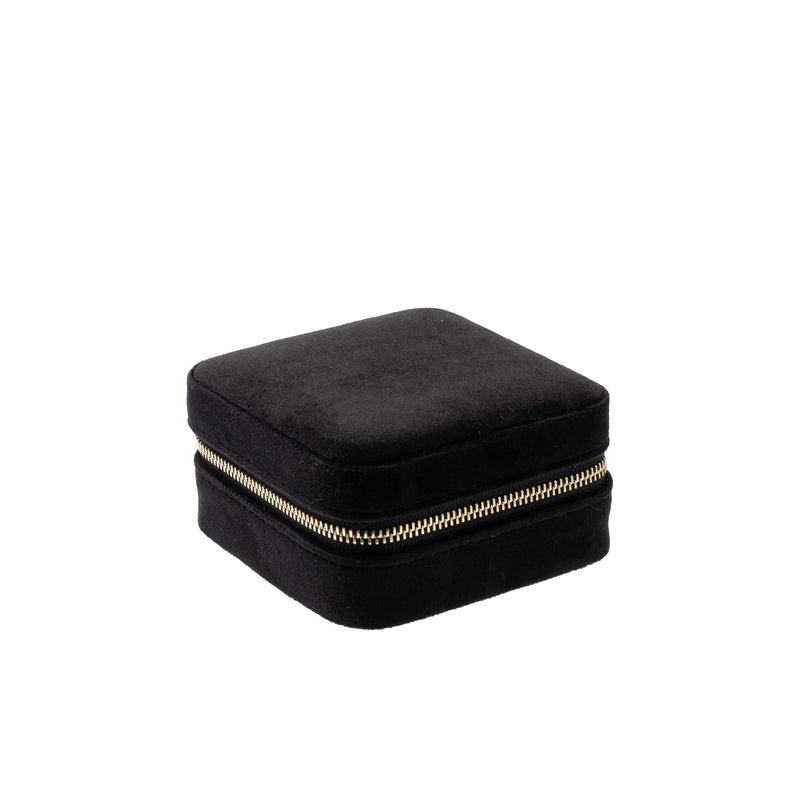
Inside, I placed four folded papers.
The first showed the bank transfer.
The second contained her original promise.
The third listed every excuse and date.
The fourth was a repayment agreement with twelve monthly lines and a space for her signature.
At the bottom, I wrote:
Your gift is another chance to keep your word.
I wrapped the box in gold paper.
At dinner, Melissa displayed her gifts one by one.
Perfume.
A handbag.
A weekend voucher.
Then she reached mine.
“This feels like jewelry,” she said.
Everyone watched.
She opened the velvet box.
Her smile vanished.
“What is this?”
“A payment plan.”
The table went quiet.
My aunt leaned forward.
“Payment for what?”
Melissa tried to close the box.
I answered before she could.
“The $1,200 she borrowed for her car six months ago.”
My aunt frowned.
“You said she gave you $200 and was demanding interest.”
I looked at Melissa.
“She has paid nothing. I asked for no interest.”
Melissa’s face turned red.
“You brought this to embarrass me.”
“I asked privately eight times.”
“This is my birthday.”
“And that is my money.”
She pushed back her chair.
Then her father spoke.
“Did she lend you $1,200?”
Melissa stared at the table.
“Yes.”
“Did you repay it?”
“Not yet.”
“Then sign the paper.”
Useful to know
A public confrontation can easily make family conflict worse, so try a clear private request first. For a meaningful unpaid debt, mediation or local legal advice may be more effective than pressure from relatives. Rules about informal loans differ by location.
Melissa signed.

Not happily.
She sent the first $100 three days later.
For the next eleven months, the payments arrived on the first.
We did not speak much during that year.
When the final payment came, she added a note.
I still think the birthday thing was cruel. But I know I made you desperate enough to do it.
She was right about both parts.
I would not choose the same public moment again.
But I also would never again let someone use family peace as a reason I had to accept being lied to.
The real gift was not the repayment plan.
It was learning that generosity without a boundary does not always look like love.
Sometimes it looks like permission.