On Monday morning, I placed an empty container beside the kitchen bin.
For the next seven days, nothing edible would be thrown away before being written down. Not the soft strawberries. Not the rice nobody wanted the second time. Not the final spoonful of yogurt hiding behind a larger container.
The purpose was not to feel guilty. It was to answer a simple question: What are we repeatedly paying for but not eating?
The rules
Every discarded item went into a log with four details:
- What it was
- Rough amount
- Why it was discarded
- What could have prevented it
The reason mattered more than the price. “Forgotten,” “cooked too much,” “changed plans” and “didn’t like it” point to different solutions.
Day 1: leftovers nobody claimed
The first entry was half a container of pasta.
It was not unsafe. Nobody remembered when it was cooked, so nobody wanted to risk eating it.
Lesson: Label leftovers with the date. Uncertainty turns usable food into waste.
Day 2: the optimistic vegetable purchase
A bag of salad leaves had turned slimy. It had been bought for several imagined lunches that never happened.
The problem was not storage. It was buying for an ideal week instead of the week actually planned.
Lesson: Put quantities on the shopping list: “salad for two lunches,” not simply “salad.”
Day 3: the duplicate
We opened the pantry and found three partly used versions of the same ingredient.
The newest had been purchased because the older ones were hidden.
Lesson: Check the refrigerator, freezer and pantry before shopping.
Day 4: the deal that was not a deal
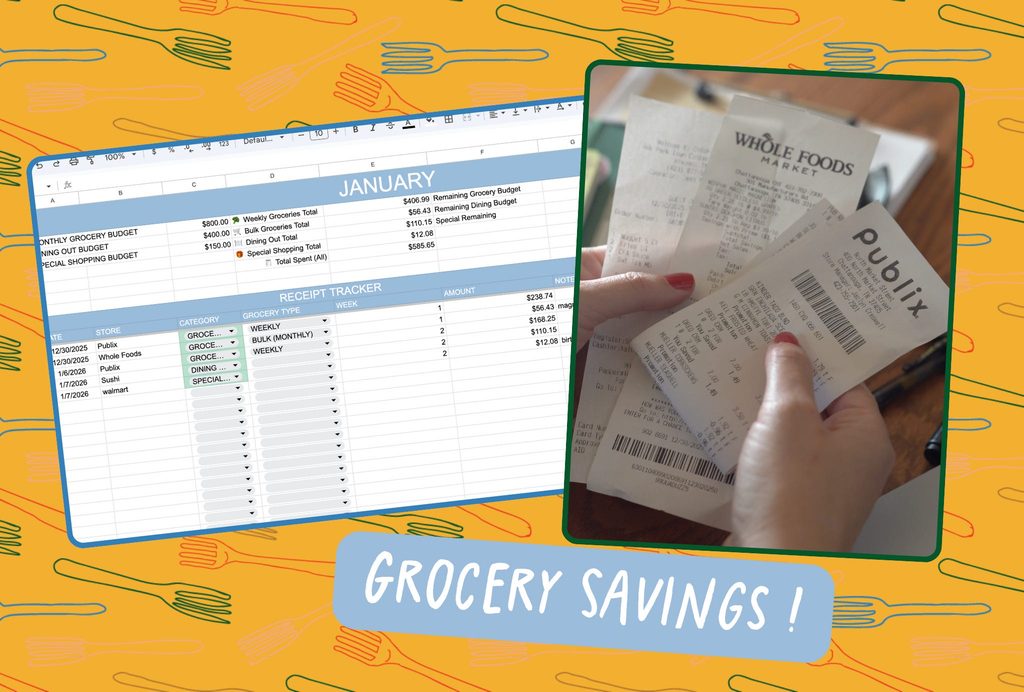
A bulk offer looked economical at the store. Half of it expired before we used it.
Buying more only saves money when the entire quantity is used.
Lesson: Compare the cost of the amount you will realistically eat—not the unit price printed on the shelf.
Day 5: the portion problem
Dinner produced enough rice for several extra meals, but nobody had a plan for it.
Lesson: Either cook less or decide what the leftovers will become before cooking.
Day 6: the most expensive pattern
The biggest loss was not one dramatic item. It was fresh produce bought repeatedly with good intentions and ignored until it spoiled.
One forgotten vegetable seemed insignificant. Repeating the same purchase every week was not.
Day 7: the freezer rescue
Bread that would normally have gone stale was sliced and frozen. Bananas were frozen for smoothies. A nearly forgotten meal became lunch instead of another delivery order.
For the first time that week, the log stayed empty.
What changed after the experiment
We did not create a complicated meal plan. We changed five small things:
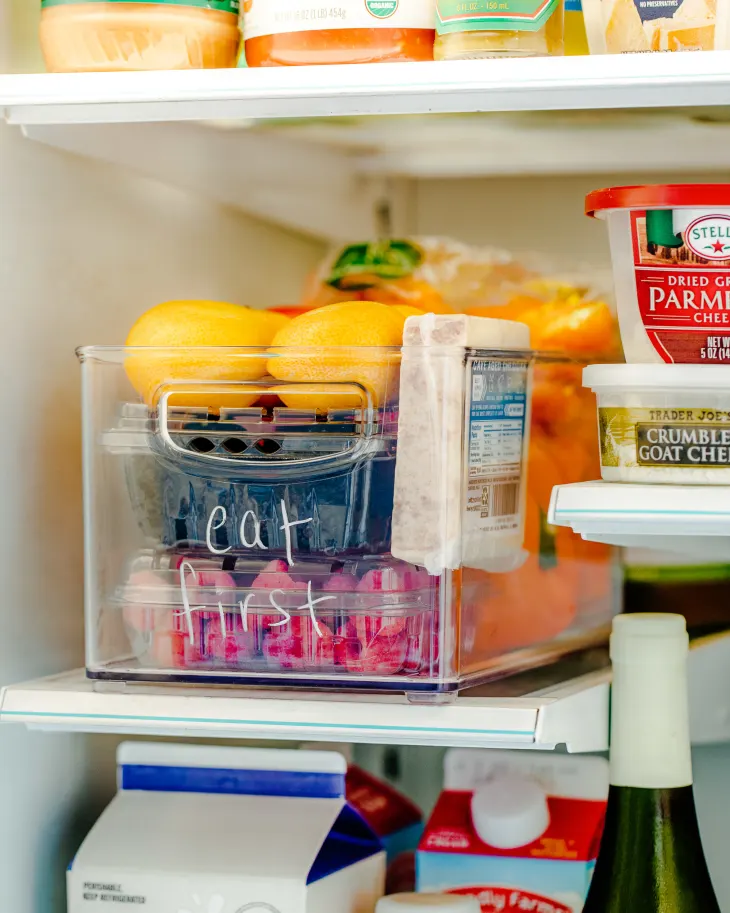
- Added an Eat First box to the refrigerator.
- Labeled leftovers with dates.
- Planned one leftovers meal each week.
- Checked existing food before shopping.
- Froze anything unlikely to be eaten within the next few days.
Put a price on the pattern
At the end of the week, estimate the replacement cost of each discarded item. Precision is unnecessary; the purpose is to identify repetition.
A half bag of salad may represent only a small loss. If the same thing happens every week, multiply it by 52. The annual figure makes the habit easier to compare with other household expenses.
Separate unavoidable waste, such as inedible parts, from preventable waste. Focus first on food purchased but never opened, leftovers forgotten and products repeatedly bought in unrealistic quantities.
Do not use the calculation to police what every person eats. Use it to make the next shopping list more accurate.
Try the experiment yourself
Do not estimate. Track the actual waste for seven days.
At the end, group the entries by reason. Your solution may be smaller portions, better visibility, fewer impulse purchases or a more realistic weekly plan.
The goal is not zero waste overnight. It is to stop paying for the same mistake every week.
Source
- U.S. Environmental Protection Agency, preventing wasted food at home: https://www.epa.gov/recycle/preventing-wasted-food-home
Follow local food-safety guidance. When safety is uncertain, do not eat spoiled or improperly stored food.