
When my husband gave his mother a key to our house, he did not ask me.
He mentioned it over breakfast like he was telling me we needed milk.
“Mom has a spare now. Just for emergencies.”
I put down my coffee.
“What emergency?”
He shrugged.
“Plants. Packages. If we lock ourselves out.”
His mother lived four minutes away.
She also had strong opinions about everything inside our house.
The color of our curtains.
The food in our refrigerator.
The fact that I kept work documents in the guest room instead of “making space for a nursery.”
I told Mark I was uncomfortable.
He called me dramatic.
For two weeks, nothing happened.
Then small things began moving.
The mail was stacked differently.
The blanket on our sofa had been folded.
A half-empty bottle of wine disappeared from the refrigerator.
Mark said I was imagining it.
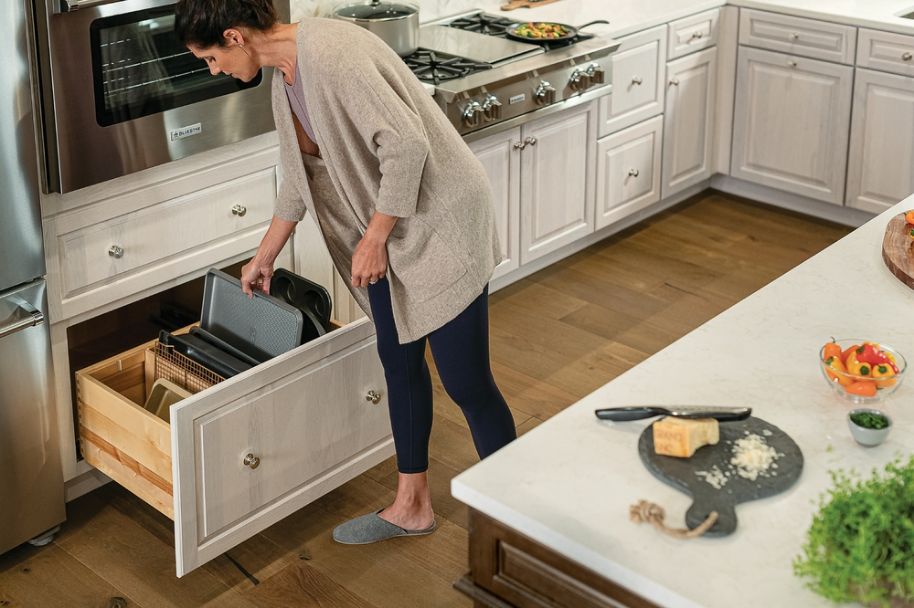
His mother said she had only stopped by once to water a plant that did not need watering.
One Thursday, my afternoon meeting was canceled. I arrived home three hours early.
Her car was in our driveway.
The front door was unlocked.
I walked inside without making a sound.
She was not watering plants.
She was in my bedroom.
My dresser drawers were open. Clothes were spread across the bed. In her hand was a small velvet box that had belonged to my grandmother.
“What are you doing?”
She spun around.
“I was looking for the bathroom.”
“In my jewelry drawer?”
She set the box down.
Then she became offended.
She said she had every right to be there because her son paid the mortgage. She said married people should not keep private spaces. She said she was searching for proof that I was hiding money from Mark.
The missing item was not jewelry.
It was an envelope containing the deposit for a small studio I planned to rent for my design work.
Eight hundred dollars in cash.
She denied taking it.
Then I saw the corner of the envelope inside her handbag.
I did not shout.
I took a photograph.
I asked her to leave.
When Mark came home, his mother had already called him. She told him I had attacked her and accused her of stealing.
He entered the kitchen ready to defend her.
I placed the photograph on the table.
Beside it, I placed an invoice from the locksmith.
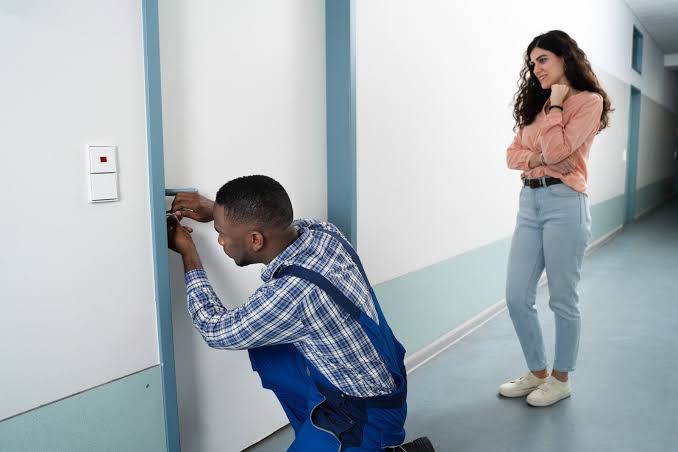
“I changed the lock.”
He stared at me.
“You had no right.”
“Neither did she.”
He said she made a mistake.
I asked him why my boundaries always became mistakes when his mother crossed them.
That question ended the argument.
Not because he agreed.
Because he had no answer.
His mother returned the money that evening. She did not apologize. Mark slept on the sofa for three nights.
The new lock remained.
So did one new rule: no one receives access to our home unless we both agree.
Mark eventually admitted he had given her the key because saying no to her felt difficult.
I understood.
But his discomfort was never supposed to become my insecurity.
An emergency key is for emergencies.
Not inspections.
Not accusations.
And definitely not shopping in someone else’s bedroom.