I cancelled the fitness subscription before the free trial ended.
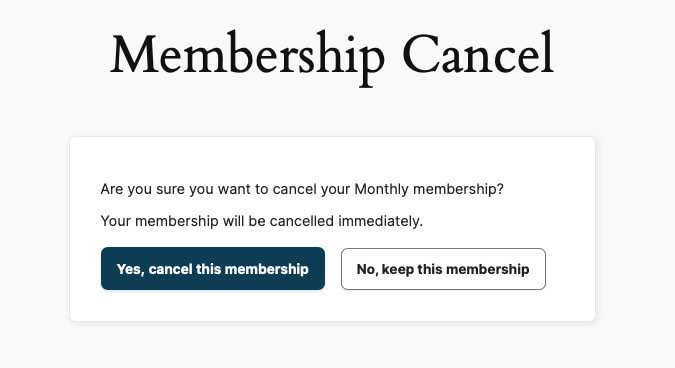
The screen displayed a green check mark.
Your plan has been cancelled.
I deleted the app.
One month later, my card was charged $39.99.
I logged back in.
The account showed no active subscription.
Support agreed.
“You are not subscribed,” the representative wrote.
I sent the statement.
He told me the charge might be from a different company with a similar name.
The descriptor matched exactly.
The following month, another $39.99 disappeared.
I cancelled again through the company website.
Another confirmation appeared.
Another charge followed.
By the third month, I was furious.
I opened live chat and refused to leave until someone explained where the money was going.
The representative searched my name.
Nothing.
She searched the last four digits of my card.
Then she paused.
“I found an account,” she wrote. “But the email is different.”
She displayed a partially hidden address.
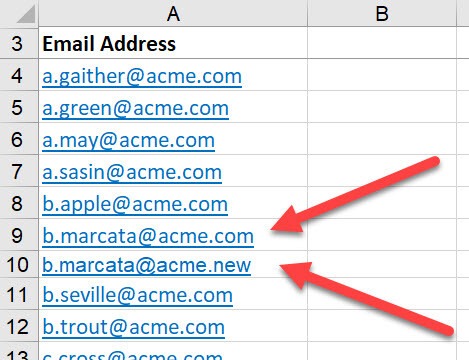
My address was rachel.morgan@email.com.
One letter.
A q instead of a g.
I had created the account on my phone and mistyped my own name.
Every cancellation had affected the correct email address.
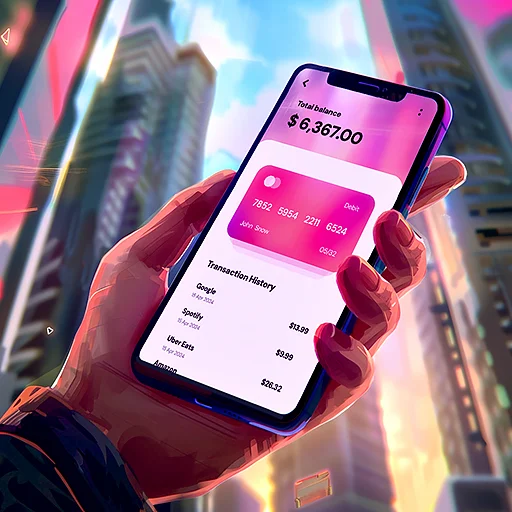
The paid plan lived under the mistake.
Useful to know
Identify who is actually billing you—the company, app store, wallet or another platform. Check every email address and login you may have used. Deleting an app or removing a card usually does not cancel the underlying subscription.
“Cancel the other account,” I wrote.
The representative asked me to verify it.
“How can I verify an email address I cannot access?”
She requested the original purchase date, card details and device information.
I provided them.
Then she found another problem.
The misspelled address belonged to a real person.
That person had received my subscription emails for months.
They had reset the password and used the plan.
Support initially refused a refund because the account showed activity.
“I did not use it,” I said.
“The login came from another location.”
“Exactly.”
The case moved to a supervisor.
He reviewed the signup device, billing card and login history.
The account was created from my phone.
The later activity came from another state.
The person receiving the emails had apparently assumed the subscription was a strange gift.
Support closed the account and refunded two of the three charges.
They said the first fell outside their normal window.
I contacted my card provider and asked about the remaining post-cancellation charge.
I explained the exact sequence.
I did not claim the original signup was fraud.
I had authorized it.
The problem was that the company kept billing after I tried to cancel and could not locate the account under my information.
The provider opened a dispute.
Useful to know
Save cancellation confirmations, renewal terms, statements and case numbers. Ask the merchant to stop future billing and refund past charges as two separate actions. Contact the payment provider before any dispute deadline passes.
The final $39.99 was fully returned a month later.
I changed my card information in several accounts, enabled transaction alerts and created a simple subscription list.
Company.
Amount.
Renewal date.
Billing platform.
Cancellation confirmation.
It was not exciting.
Neither is paying $119.97 for an app you deleted.
The strangest part came weeks later.
An email arrived from the owner of the misspelled address.
Support had apparently notified her that access was ending.
“Sorry,” she wrote. “I genuinely thought my sister bought it for me.”
I believed her.
The mistake was mine.
But the months of confusion came from a system that searched only the address I remembered, not the card it continued charging.
One wrong letter created an account I could pay for but could not see.
Now I save every confirmation.
And I read the email address before I celebrate the green check mark.
I also learned to check the next statement instead of assuming the problem ended because a support agent said it did. A cancellation confirmation, a refund promise and an actual credit are three different things. I now keep the case open until the subscription status is inactive and the money has reached the account.
Next story: A single letter hid a recurring charge. In the next story, a contractor disappeared after demolishing a kitchen—but a neighbor’s camera showed exactly where the “missing” materials went.