
The dress looked elegant in the product photos.
What arrived looked like a shiny plastic curtain.
I requested a return the same day.
The online store approved it and emailed a prepaid label.
I packed the dress, photographed the parcel and dropped it at the carrier’s desk.
Tracking showed delivery four days later
Then the store became silent.
After ten business days, I asked about the refund.
An automatic reply said returns were processed in order.
After three weeks, a representative named Leo responded.
“Our warehouse has not received your parcel.”
I sent the tracking number.
“Carrier delivery does not prove receipt by our team,” he answered.
I asked them to investigate.
No reply.
I opened another support ticket.
It was closed as a duplicate.
I called the phone number on the website.
A recording directed me back to email.
By week six, the company had my $189 and the dress.

Then the carrier emailed additional proof.
The delivery photograph showed a man in a blue shirt holding my parcel beside the warehouse door.
Behind him, the company logo was visible on the wall.
His face looked familiar.
I opened the store’s About page.
There he was.
Leo Martin — Customer Experience Manager.
The same Leo who told me the team never received it.
Useful to know
Keep the order confirmation, return authorization, tracking number, policy and support messages. Send one complete written request with the amount, evidence, requested solution and a reasonable deadline instead of opening many separate cases.
I replied to Leo’s email with two images.
The delivery photograph.
His staff portrait.
Your warehouse may not have logged my parcel, but this photograph shows you accepting it on August 4. Please issue the refund by Friday.
He replied within 20 minutes.
“That photo appears to show me receiving a batch shipment, not necessarily your return.”
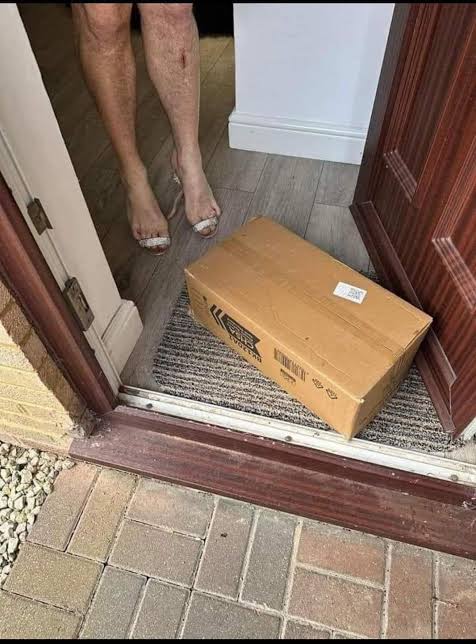
The parcel label was visible when enlarged.
My tracking number was printed across it.
I sent the close-up.
Then he stopped responding again.
I submitted a case through the marketplace where I had found the store.
I uploaded the order, approval, tracking history, photograph and email thread.
The marketplace gave the seller three days to respond.
On the second day, Leo called me.
“This could have been solved without escalation,” he said.
“I tried for six weeks.”
“Negative cases affect small businesses.”
“Keeping refunds affects customers.”
He offered store credit.
I declined.
He offered a 70% refund because the item was supposedly missing its belt.
The packing photograph showed the belt folded on top.
Finally, he agreed to the full amount.
“Can you close the marketplace case now?” he asked.
“When the refund reaches my account.”
He sounded offended.
But I had already learned what his promises were worth before the money moved.
Useful to know
If the seller does not resolve the issue, contact the marketplace or payment provider promptly about its dispute process. Time limits differ. Describe the issue accurately—such as returned goods with no refund—rather than calling an authorized purchase card fraud.
The refund appeared three days later.
Only then did I close the case.
I left a factual review describing the timeline.
The store replied publicly.
“Customer failed to allow normal processing time.”
Six weeks was apparently normal.
Two other buyers contacted me after reading it.
Both had returned items.
Both had been told the warehouse never received them.
One also had a delivery signature from Leo.
The marketplace later removed the store from its featured-seller program while reviewing the complaints.
I do not know whether the missing refunds were intentional or the result of terrible systems.
For me, the distinction stopped mattering after the company saw clear proof and continued denying it.
Angry emails had gone nowhere.
One organized case with dates and evidence created a deadline they could not ignore.
And the customer-experience manager who said my parcel never arrived had already posed for the photograph proving it had.
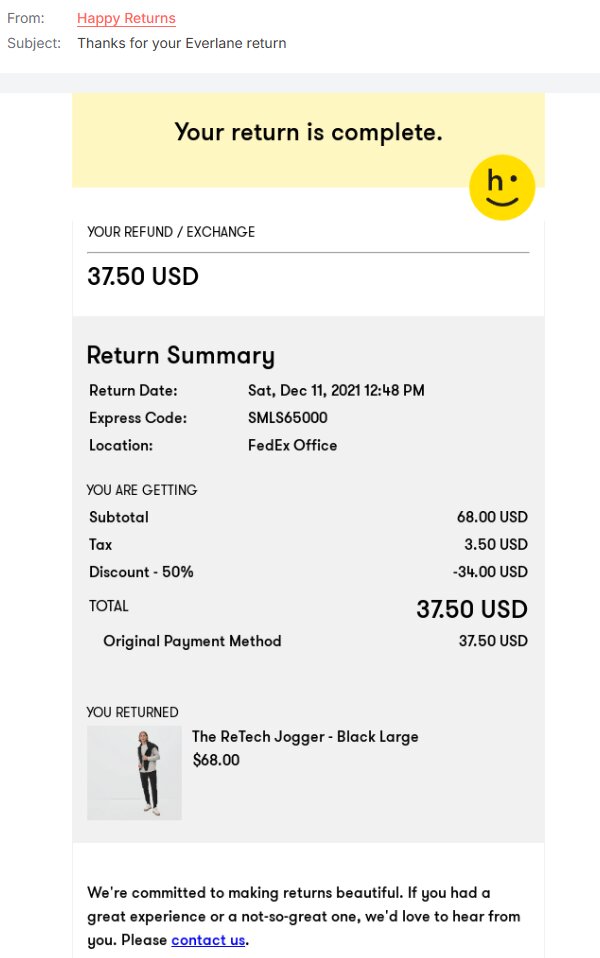
Before this happened, I thought successful complaints depended on sounding forceful. Now I know they depend more on making the facts impossible to lose: one timeline, one case number and one requested outcome. The photograph was dramatic, but the organized record was what turned it into a refund.
Next story: One familiar face unlocked a missing refund. In the next story, a woman cancelled a subscription twice, but one hidden setting revealed she had been paying for an account created with a single misspelled letter.