
My brothers called me our mother’s angel.
They said it in the family group chat.
They said it to relatives.
They said it whenever I asked them to do something.
You’re so much better at this than we are.
It sounded kind.
It functioned like a locked door.
After Mom fell, I started visiting every morning before work.
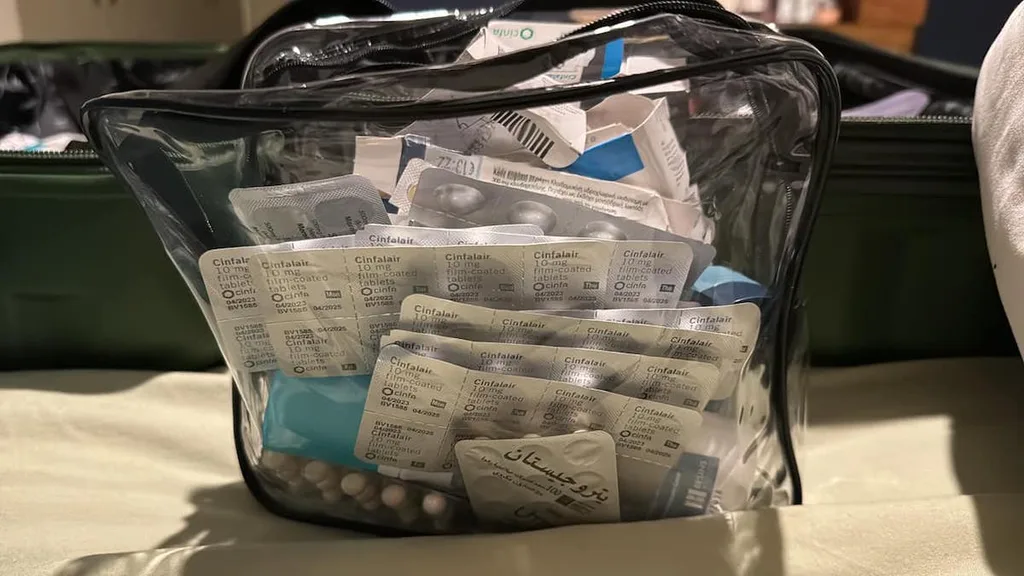
I organized her medication.
I bought groceries.
I drove her to appointments.
I called insurance companies during my lunch break.
My older brother, Simon, lived 30 minutes away.
My younger brother, Paul, lived in the same city.
Simon sent flowers.
Paul sent heart emojis.
Neither came when the pharmacy changed Mom’s prescription and she became confused.
Neither answered when her kitchen pipe burst.
Neither spent the night after she returned from the hospital.
“Work is impossible right now,” Simon said.
“The kids need me,” Paul said.
I had work too.
I had a daughter too.
But because I kept finding a way, everyone assumed the way was easy.
Then Mom fell again.
I found her beside the bathroom door at 6:20 in the morning.
At the hospital, the doctor asked who managed her care.
Both my brothers pointed at me.
“Laura handles everything,” Simon said proudly.
Something inside me went completely quiet.

Useful to know
Caregiving includes invisible work: calls, travel, forms, shopping, monitoring and emergency planning. Track the real tasks for one week. Specific responsibilities are easier to divide than a general request for “more help.”
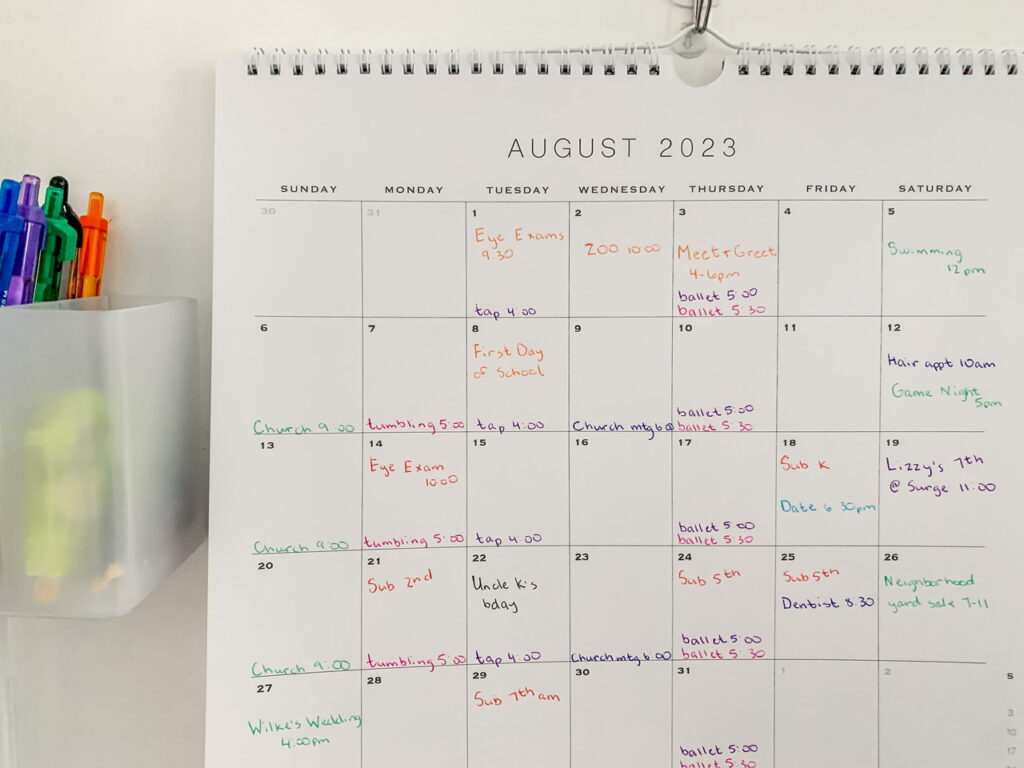
While Mom slept, I drove home and printed a monthly calendar.
Then I returned with three colored markers.
I placed them on the waiting-room table.
Blue for Simon.
Green for Paul.
Red for me.
“Choose your days,” I said.
Simon looked confused.
“For what?”
“Mom needs someone every morning for the next two weeks. She has four appointments. Groceries arrive Thursday. The nurse needs one contact for medication changes.”
Paul pushed the calendar back.
“We should discuss this when everyone is calmer.”
“I am calm.”
“You’re clearly upset.”
“I’m exhausted.”
Simon leaned toward me.
“We appreciate everything you do.”
I picked up the blue marker and held it toward him.
“Appreciation is not Tuesday.”
Neither man spoke.
I told them exactly what I could continue doing.
Monday mornings.
Wednesday appointments.
One weekend each month.
Not every day.
Not every emergency.
Not every phone call simply because I was the daughter.
Paul said I was making Mom’s care transactional.
Then Mom spoke from behind us.
We had not realized she was awake.
“No,” she said weakly. “You boys made it Laura’s job.”
Paul stared at his hands.
Mom asked for the calendar.
She circled Saturday in blue.
“Simon can take me shopping.”
Then Tuesday in green.
“Paul can handle the physiotherapist.”
Simon started to protest.
Mom interrupted him.
“I raised three children. I did not raise one daughter and two visitors.”
The silence that followed was almost funny.
Almost.
We filled the calendar.
Not equally.
Simon traveled for work, so he took alternate weekends and managed insurance calls online.
Paul handled groceries, two weekly visits and home repairs.
I kept medical appointments and medication organization.
We also agreed to pay for a cleaner together.
For the first time, each task had a name beside it that was not mine.
Useful to know
Fair care does not always mean identical tasks. Someone living farther away can manage bills, research services, pay for support or provide scheduled respite. Give each person complete ownership of defined jobs instead of leaving one caregiver to coordinate everything.
The first week was messy.
Simon forgot the shopping list.
Paul arrived late for the physiotherapist.
My instinct was to take everything back.
I did not.
They corrected their mistakes.
By the third week, Paul knew which bread Mom liked.
Simon had found a cheaper insurance plan and organized the paperwork better than I ever had.
Then something unexpected happened.
Mom stopped calling only me.
She began calling all three of us.
Not because she loved me less.
Because she finally trusted that the others would answer.

At her next appointment, the doctor asked who managed her care.
This time, nobody pointed.
Simon said, “We share it.”
The calendar remained on Mom’s refrigerator for months.
The colors changed.
The responsibilities changed.
But the rule did not.
Nobody got to call me an angel if what they really meant was unpaid, exhausted and permanently available.
Next story: A calendar exposed who was actually helping. In the next story, one father’s hidden gift cards exposed something more dangerous—and the bank teller’s quiet question stopped another payment just in time.